
Clinical trial
BREAST SCAFFOLD
Investigating a scaffold-based approach for breast implant revision and primary augmentation.
Select an option below to learn more about the study and determine whether you may be eligible to participate.
Models shown in the image are for illustrative purposes only and not intended to guarantee the aesthetic results shown. Designed by Freepik
RECRUITMENT IS CURRENTLY UNDERWAY
Expressions of interest are being accepted for this study and for future clinical research opportunities.
RESEARCH STUDY APPROACH TO BREAST SOLUTIONS
This clinical trial is investigating the use of an absorbable, 3D-printed scaffold made from polycaprolactone (PCL) in combination with autologous fat grafting (AFG) for breast implant revision and primary augmentation procedures. This clinical trial is evaluating the safety and performance of an absorbable breast scaffold used in combination with autologous fat grafting (fat transferred from your own body).
PCL is a biomaterial that has been used in a range of medical applications, including absorbable sutures. In this study, the scaffold is intended to provide temporary structural support while tissue develops within and around it.
The purpose of this research is to evaluate the safety and performance of this approach in patients undergoing breast implant revision or primary augmentation procedures.
The scaffold is designed to work in harmony with the body, supporting healing, structural integrity, and aesthetic outcomes as it slowly absorbs and is replaced by your own tissue. As with all clinical studies, the outcomes of this intervention are being investigated and cannot be guaranteed.
Models shown in the image are for illustrative purposes only and not intended to guarantee the aesthetic results shown. Designed by Freepik
TRIAL INFORMATION
STUDY PROJECT TITLE:
Clinical investigation evaluating medical grade polycaprolactone (PCL) breast scaffold implantation in conjunction with autologous fat grafting for breast implant revision and primary breast augmentation surgery
|
HREC Project Number: |
19238 |
|
Protocol Number: |
2025-BRV-005 Version 5 30.04.26 |
|
Principle Investigator (PI): |
Prof. Anand Deva (Sydney) |
|
Coordinating PI: |
Prof. Owen Ung (Brisbane) |
|
Purpose of the Study: |
To evaluate the safety and performance of the absorbable PCL Breast Scaffold. |
|
Recruitment Status: |
Clinical Trial in Progress. Actively Recruiting. |
WHAT IS THE SCAFFOLD APPROACH?
A regenerative approach designed to integrate with one’s own body. The scaffold approach being investigated in this study combines a resorbable scaffold with fat transferred from the participant’s own body.
The scaffold is designed to provide temporary support while tissue develops within and around the structure. Using a combination of an advanced biomaterial and the body’s natural regenerative capacity, this approach shifts away from permanent implants.
Over time, the scaffold is expected to gradually degrade and be absorbed by the body, leaving behind newly formed, living tissue that reflects the body’s natural composition.
This study is being conducted to better understand the safety, performance and patient outcomes associated with this approach.
WHAT DOES THIS MEAN FOR REVSION PATIENTS?
This study includes participants undergoing breast implant revision procedures.
The study is evaluating whether the scaffold approach may provide an alternative reconstructive option following implant revision surgery.
Participants may be eligible if they require implant removal or revision due to circumstances such as:
• Capsular contracture
• Implant rupture
• Implant malposition
• Pain or discomfort
• Dissatisfaction with previous implant outcomes
PRIMARY AUGMENTATION
This study also includes participants seeking primary breast augmentation.
The purpose of this arm of the study is to evaluate the safety and performance of the scaffold approach when used in patients who have not previously undergone breast augmentation surgery.
Participation in this study does not guarantee any particular outcome, and offers potential benefits to traditional augmentation, such that:
• Improved cosmetic appearance of the breasts and improved well- being
• No permanent implant
• Regenerative approach
LEADING TRIAL PHYSICIANS
The study is being conducted by experienced surgeons and researchers with expertise in breast, plastic and reconstructive surgery.
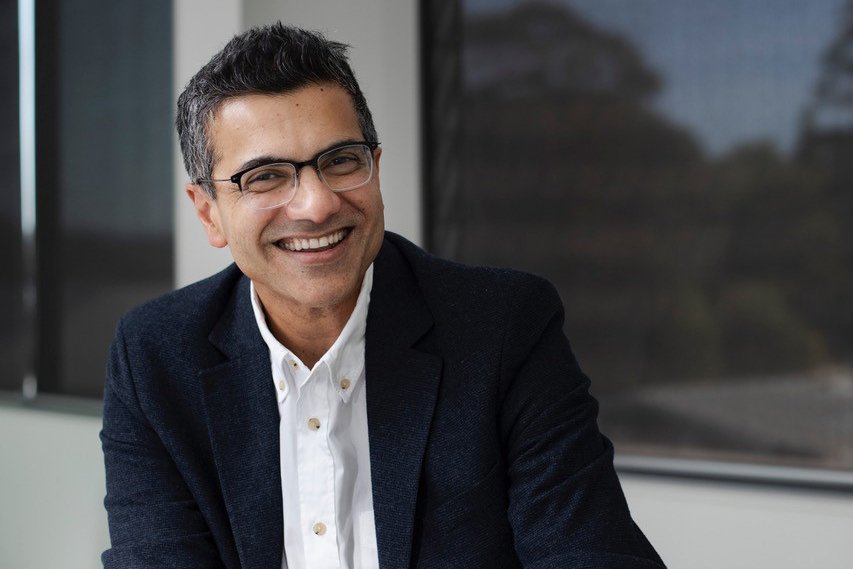
Plastic & Reconstructive Surgeon
Prof. Anand Deva
Professor Anand Deva is Discipline Head of Plastic and Reconstructive Surgery within the Faculty of Medicine, Health and Human Sciences at Macquarie University and serves as Principal Investigator for this study.
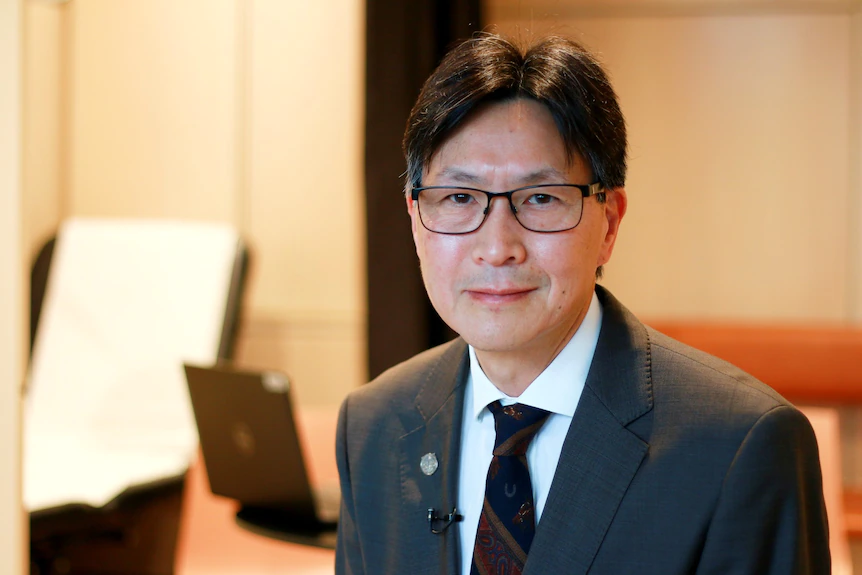
Breast & Endocrine Surgeon
Prof. Owen Ung
Professor Owen Ung is Professor of Surgery at The University of Queensland, Director of the Metro North Comprehensive Breast Cancer Institute, and Program Lead for Breast Reconstruction at the Herston Biofabrication Institute. He serves as Coordinating Principal Investigator for this study.
Models shown in the image are for illustrative purposes only and not intended to guarantee the aesthetic results shown. Designed by Freepik
INTERESTED IN TRIAL PARTICIPATION?
Thank you for your interest in our clinical research trial.
This study is now underway, investigating scaffold-based tissue regeneration for both breast implant revision and primary augmentation.
If you would like to be considered for this trial, we encourage you to review relevant study information by selecting which solution you are interested in below, and register your interest.
Please note: Submission of an Expression of Interest does not guarantee eligibility or enrolment in the study.
Imagery ©2026 Google, Map data ©2026 GeoBasis-DE/BKG (©2009)
TRIAL LOCATIONS
New South Wales:
Macquarie Plastic and Reconstructive Surgery Suite 301, 2 Technology Place Macquarie Park NSW 2109
Integrated Specialist Healthcare Education and Research Foundation (ISHCERF), Suite 2, Level 1, 531-533 Kingsway Miranda NSW 2228,
Australia

Breast Scaffold Trial
© Breast Scaffold Trial 2025